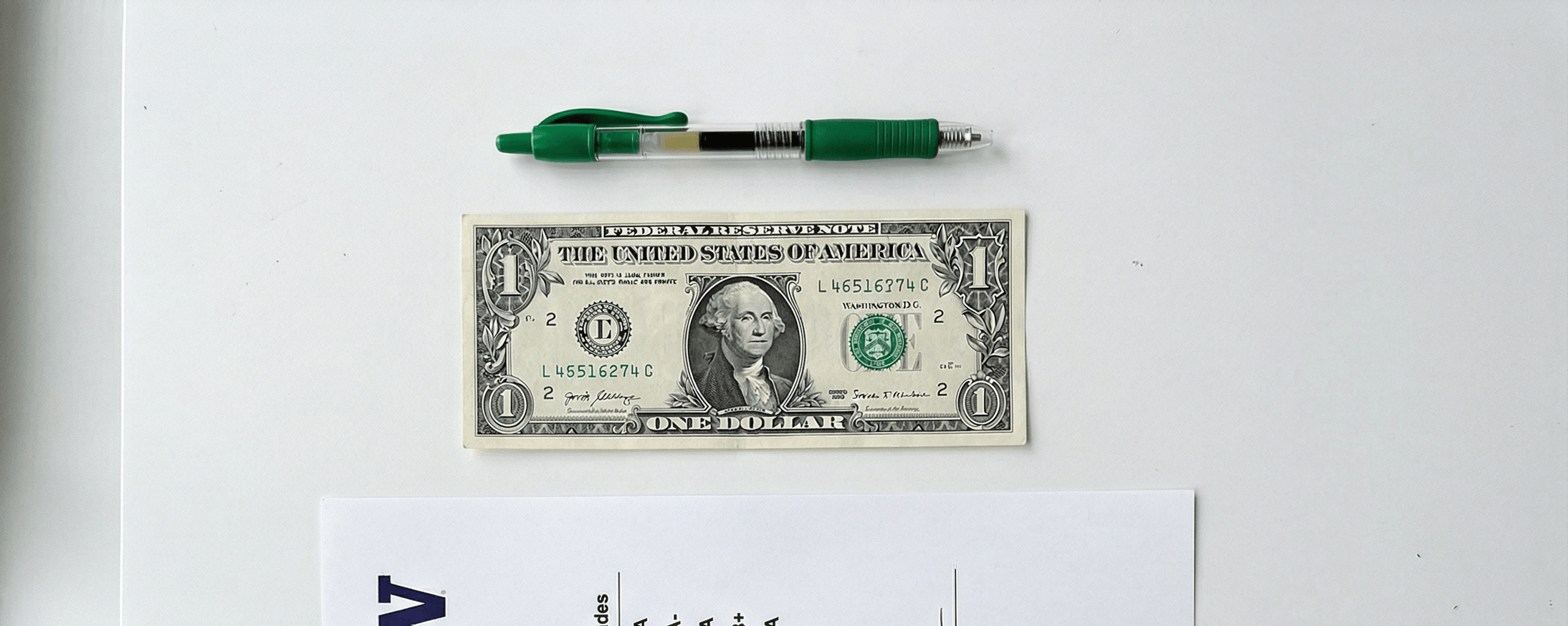
What a Grade 6 Note Looks Like
A Grade 6 note is deeply circulated and immediately looks tired in hand. The paper has lost its body, the surfaces feel limp, and the note usually shows hard use from years of passing through pockets, cash drawers, or storage conditions that were less than ideal. This is not a note with light wear — this is a note that has truly lived a life.
At this level, the damage is no longer subtle. Serious splits, frayed margins, and visible wear are all part of the picture. The note may still be collectible, especially if the type is scarce, but nobody is confusing a 6 with an attractive mid-grade example. The point of a Good 6 is not beauty — it is survival.
A 6 is a "well-worn survivor" grade. It tells collectors the note has major circulation and obvious faults, but it still retains enough identity and structure to be cataloged, graded, and traded.
Grading Criteria Breakdown
In the Good range, graders are not searching for sharp corners or strong embossing anymore. They're asking a simpler question: how much original note is still there, and how severe is the wear?
This is also the range where collectors need to separate normal low-grade wear from problem-note issues. A note can be worn enough for Good 6 and still be collectible. But once repairs, major missing pieces, severe restoration, or major impairments enter the picture, the holder may tell a more complicated story.
How a Grade 6 Affects Value
Grade 6 is rarely about premium condition. For common notes, a 6 usually keeps the value grounded because buyers can find nicer examples without much trouble. For scarce notes, however, a Good 6 can still be very important. Sometimes collectors are simply grateful to find an example they can afford, even if the note is rough.
Important caveat: rarity still rules. A common small-size note in Good 6 may be a budget example. A rare obsolete, colonial, or early large-size issue in Good 6 may still command serious money. The grade helps define condition, but scarcity and demand determine whether collectors will fight over it.
In other words, Good 6 is often the collector's entry point. It is where affordability starts to open up on notes that are otherwise out of reach in Fine, Very Fine, or better. That makes this grade more important than many new collectors realize.
Grade 6 vs. Nearby Grades: What's the Real Difference?
The real distinction around Grade 6 is how far the wear has gone. A 4 often looks beaten down and visually impaired. An 8 is still rough, but usually hangs together better. A 6 lives in the middle: clearly damaged and heavily worn, but not quite as broken down as a 4.
| Grade | Name | Difference from 6 | Collector feel |
|---|---|---|---|
| 4 | Good | Usually more impaired visually, often totally limp, with more severe overall problems and missing pieces more commonly seen. | Bottom collectible tier |
| 6 | Good (this grade) | Very worn, with serious splits, fraying margins, and damage, but still a recognizable survivor. | Affordable survivor |
| 8 | Very Good | Still heavily circulated and limp, but generally more intact, with a little more stability and eye appeal. | Rough but steadier |
| 10 | Very Good | A solid, whole note with lots of circulation. Still weak, but clearly a step above the Good range. | Solid low-grade |
The practical takeaway: a Grade 6 note is not a disaster grade. It is a low collector grade, but one that still matters. For tougher notes, a straight Good 6 can be an honest, desirable example because it gives buyers authenticity, affordability, and enough remaining structure to enjoy the piece without paying for condition they may never be able to afford.