What "Uncirculated" Actually Means at Grades 60–63
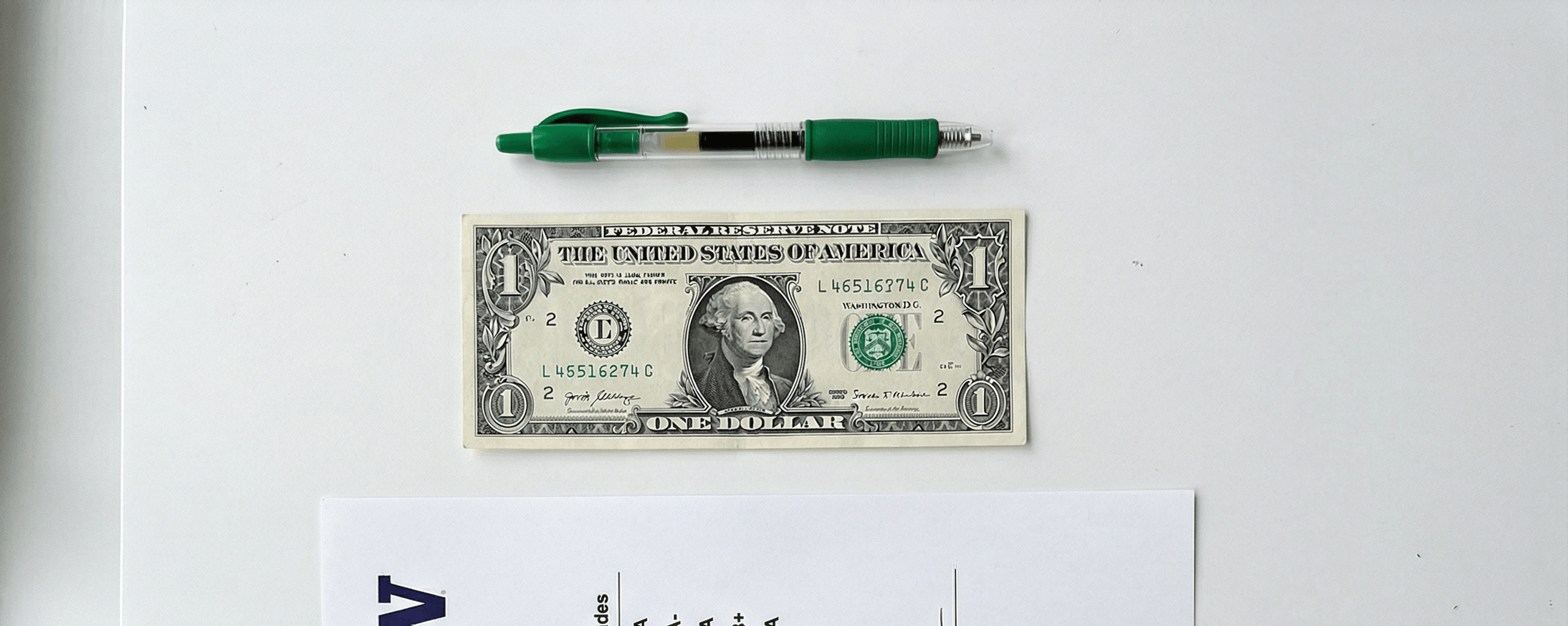
Every note in the 60–63 range carries the Uncirculated designation — meaning it has never meaningfully circulated. No folds. No creases. The paper has not passed through registers, wallets, or hands in the way a spent note has. That is the fundamental requirement that qualifies a note for this tier, and it is non-negotiable at every grade within it.
What distinguishes grades within the tier is everything else: the degree of minor imperfections present on the surfaces, the crispness and body of the paper, the quality of centering, and the overall eye appeal the note presents. A 60 and a 63 are both uncirculated — but they can look quite different in hand, and they trade at meaningfully different prices.
Grade-by-Grade Breakdown
Here's what each grade within the Uncirculated tier looks like in practice — what it takes to earn each number, and what typically holds a note at that level rather than pushing it higher.
A 63 is the highest grade within the standard Uncirculated tier and the closest a note can sit to the Gem threshold without crossing it. The "Choice" designation is meaningful — it signals that this note is the best of the uncirculated non-Gem pool. In hand, a 63 presents well: good color, original paper body, sharp corners, and no circulation handling whatsoever.
What keeps a 63 from reaching 64 or 65 is typically one or two visible imperfections that are apparent without magnification — a light counting flick, a surface impression from a bundle band, or centering that is noticeably off in one direction. These are genuine minor flaws, but they are minor. The note's overall character is still that of a well-preserved, uncirculated example. For many series, a 63 is an entirely reasonable collecting target, especially where 64s and 65s are scarce or expensive.
A 62 is a solidly uncirculated note with good, if not exceptional, eye appeal. The imperfections that held it below 63 are a step more apparent — perhaps more than one light counting mark, a corner that caught a bundle edge and shows a faint impression, or paper that feels very slightly softer than a fresher 63 example due to more handling at the time of original issue.
None of the imperfections on a 62 are severe. The note is still fully uncirculated and clearly identifiable as such. But the accumulation of minor details prevents it from reaching Choice level. For series where 63s and above are genuinely hard to find, a 62 often becomes the default collecting standard — and in that context, it can command meaningful prices in its own right.
A 61 is a fully uncirculated note where the evidence of original handling is more readily apparent. Counting marks may be more distinct. The paper may show a light impression from a bundle strap or adjacent note. Centering could be noticeably off. The note has not circulated — but it arrived from the issuing authority with more surface history than higher-graded examples.
At the 61 level, the note's uncirculated status is still genuine and verifiable, but the collector viewing it in hand will immediately notice the imperfections rather than discovering them under magnification. It is a grade that suits series-completers more than condition collectors — useful for filling a date slot when no better example is available, but typically not a long-term destination grade for a focused set.
A 60 is the floor of the Uncirculated tier — the lowest grade a note can receive while still being certified as uncirculated. It has never meaningfully circulated, but its original-handling history is significant: multiple counting marks, clear surface impressions, noticeably soft paper, or centering that is substantially off. These are notes that arrived from the issuing authority with considerable wear from the handling process itself.
The distinction between a 60 and the top grades of the About Uncirculated range (55–58) is meaningful but sometimes subtle. A 60 has no folds — not even a light one. An AU 58, by contrast, may have a single light fold or clear evidence of very brief circulation. The 60 is technically uncirculated, but it will not appeal to condition-focused collectors. Its primary value is for series where uncirculated examples of any grade are genuinely rare and a 60 represents a significant find.
How Value Moves Across the 60–63 Range
Within the 60–63 tier, the price steps between individual grades are generally modest — more modest than the step from 63 to 64, and far more modest than the jump from 64 to 65 Gem. For common series, the difference in realized price between a 60 and a 63 may be 20 to 40 percent. For scarcer series, the gap can be wider, but the overall curve within this tier is flatter than anywhere above it.
Important caveat: These are relative multiples, not absolute prices, and they reflect typical patterns for common to moderately scarce series. For genuinely rare notes, a 60 may command serious money simply because it represents the finest known example. Always check the PMG population report for your specific note — when population at 60 is one or two examples, the grade itself becomes almost irrelevant next to the scarcity story.
All Four Grades at a Glance
Here's how the four grades in the Uncirculated tier compare across the factors graders actually evaluate — useful for calibrating your expectations before submission or purchase.
| Grade | Designation | Eye Appeal | Typical Imperfections | Best use case |
|---|---|---|---|---|
| 60 | Uncirculated | Below average | Multiple visible marks, significant centering issues, softer paper body | Rare series where unc examples of any grade are scarce finds |
| 61 | Uncirculated | Moderate | Several clearly visible marks or impressions from original handling | Series completion when better grades are unavailable or prohibitively priced |
| 62 | Uncirculated | Good | More than one noticeable minor imperfection; still presents as an uncirculated note | Budget-conscious uncirculated collecting across a wide series |
| 63 | Choice Uncirculated | Good to strong | One or two visible minor imperfections; Choice label signals top of this tier | Practical target grade for series-builders; one step below Gem |
Every note in this tier — from 60 to 63 — carries one absolute assurance: it has never meaningfully circulated. That matters for long-term preservation value, for the integrity of a set, and for how the note will look in fifty years. A 60 with its imperfections will still be a 60 in fifty years. A circulated note, however attractive today, has a different future. The uncirculated designation, even at the bottom of the tier, is a meaningful statement about the note's history.