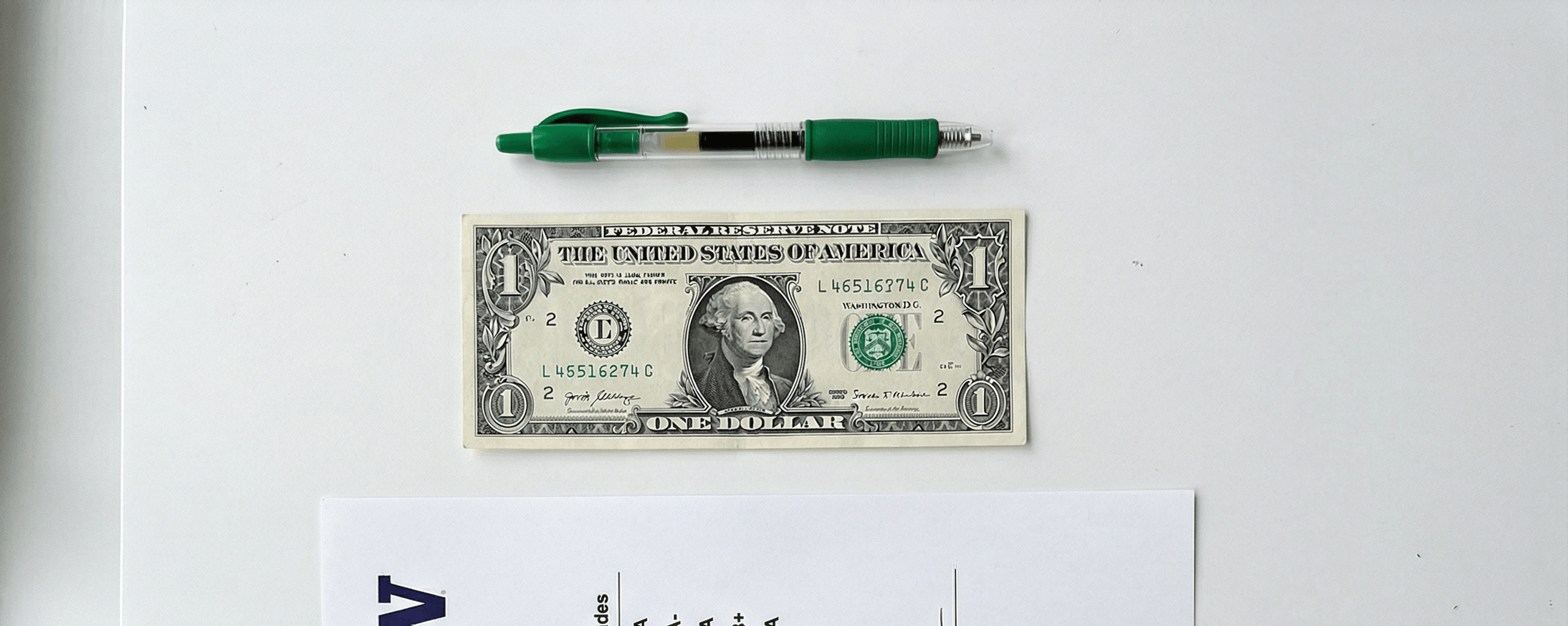
What a Grade 20 Note Looks Like
A Grade 20 note sits at the front door of the Very Fine range. PMG defines Very Fine 20 as a note that is moderately circulated with numerous folds and mild soiling. That means the note is still clearly used, but it should no longer look rough, ragged, or borderline low grade. The important part of the official standard is that there are no serious detractions, even though minor defects may still be present.
In hand, a 20 usually feels like a real upgrade from the Fine range. The note may still have plenty of folding and honest wear, but it should present with better overall balance, fewer distracting problems, and a cleaner collector appearance. This is where many circulated notes begin to feel comfortably collectible rather than simply affordable.
A 20 is the first true Very Fine grade: clearly circulated, but without the heavier look or stronger detractions that keep a note down in the Fine range.
Grading Criteria Breakdown
At Very Fine 20, graders expect a note that has seen real circulation, but not abuse. Numerous folds are normal at this grade, and some mild soiling is acceptable. What should not be present are major distractions that dominate the eye. A 20 is worn, but it should still look orderly and collectible.
This is also an important threshold on the PMG scale because notes graded 20 and above become eligible for EPQ consideration when the paper remains fully original. That does not mean every 20 gets EPQ, but it does mean originality starts to matter more at this level.
How a Grade 20 Affects Value
Grade 20 is often a meaningful value jump because it moves a note out of the Fine range and into Very Fine. For common material, that premium may be modest. For better type notes, scarcer issues, or collector-sensitive material, the market often treats a problem-free 20 as a much more attractive target than a 12 or 15.
Important caveat: these bars show relative market position, not fixed price levels. A common small-size note in Very Fine 20 may still be inexpensive, while a rare national, obsolete, or high-demand type can still be expensive even at this grade. Grade matters, but rarity, demand, originality, and eye appeal still drive the final number.
Very Fine 20 is popular because it gives collectors a note that still feels attainable while avoiding the heavier wear profile of lower circulated grades. For many buyers, this is where a note starts to feel like a satisfying mid-market example.
Grade 20 vs. Nearby Grades: What's the Real Difference?
The practical difference with Grade 20 is balance. A 15 can flirt with Very Fine but still has just a bit too much folding or circulation. A 25 is cleaner and more settled in the Very Fine range. A 20 is the first grade where the note is firmly Very Fine, even though it still carries numerous folds and mild soiling.
| Grade | Name | Difference from 20 | Collector feel |
|---|---|---|---|
| 15 | Choice Fine | May look close to Very Fine at first glance, but too many folds or too much wear still hold it below the line. | Top of Fine |
| 20 | Very Fine (this grade) | Moderately circulated with numerous folds and mild soiling, but without serious detractions. | Entry Very Fine |
| 25 | Very Fine | Shows modest evidence of circulation, with a somewhat cleaner and more desirable overall look than a 20. | Stronger mid-grade |
| 30 | Very Fine | Lightly circulated with light soiling and typically more visual sharpness, even though folds are still present. | Upper Very Fine |
The practical takeaway: Very Fine 20 is where many collectors start feeling comfortable paying up for condition. It is still a circulated grade, but it usually delivers enough structure, eye appeal, and market respect to feel like a meaningful step above the Fine range.