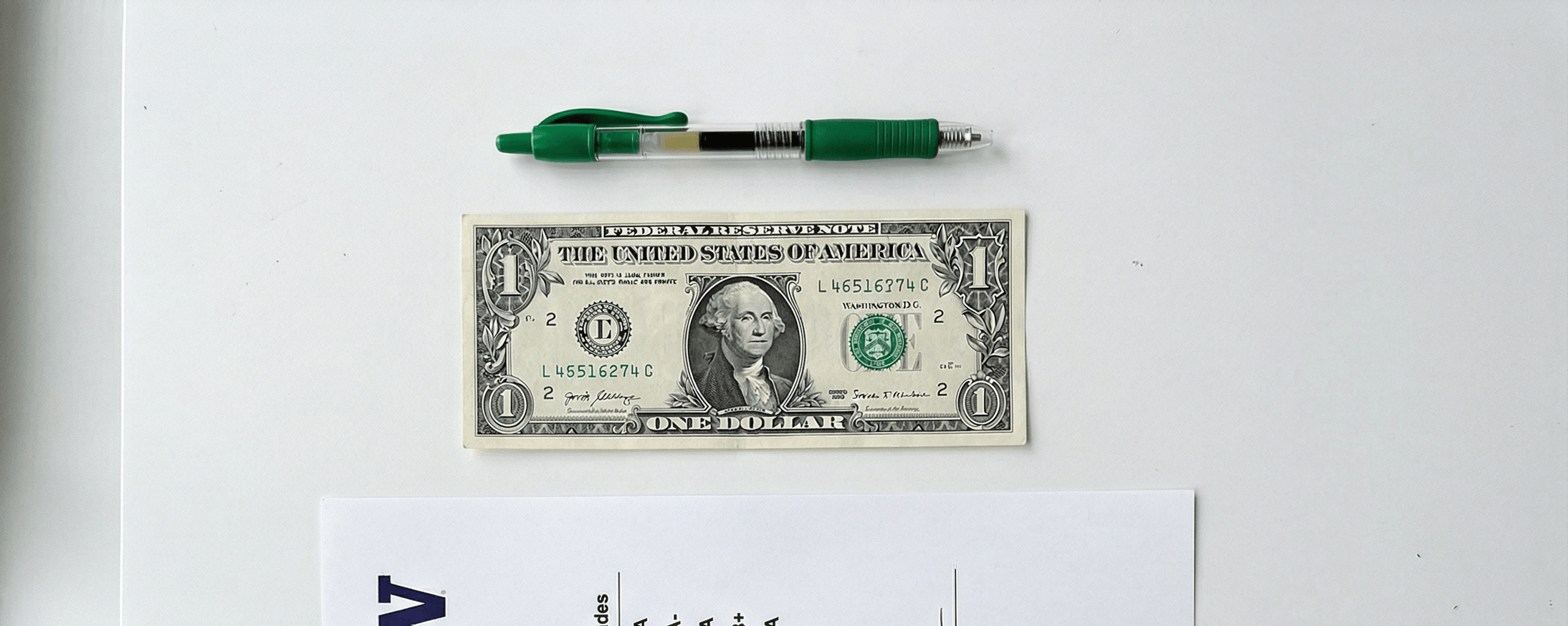
What a Grade 25 Note Looks Like
A Grade 25 note sits more comfortably inside the Very Fine range. PMG describes Very Fine 25 as a note with modest evidence of circulation. In practical terms, that means the note is still clearly circulated, but the wear should look more controlled and less distracting than it does on a 20. This is the kind of note many collectors see as a satisfying mid-grade example.
In hand, a 25 often looks cleaner, steadier, and a bit more settled than the entry-level Very Fine notes below it. The paper has seen use, but the note should still retain pleasing eye appeal and a more composed look. It is not close to Uncirculated by any means, but it usually presents better than many newer collectors expect from a circulated note.
A 25 is a stronger Very Fine note: still circulated, but with a cleaner, more desirable look than the lower Very Fine entry point.
Grading Criteria Breakdown
At Very Fine 25, graders expect circulation to be visible but moderate in feel. The note can still show folds and honest handling, but the overall presentation should be more attractive than a 20. A 25 is not judged as a fresh note; it is judged as a circulated note that still keeps strong collector appeal.
Like other notes in the Very Fine range, a 25 can be eligible for EPQ if the paper remains fully original. That does not mean every 25 earns the designation, but it does mean originality and paper quality matter more once a note reaches this level.
How a Grade 25 Affects Value
Grade 25 often commands a stronger market response than lower circulated grades because it combines affordability with noticeably better eye appeal. For common notes, the price difference may be manageable. For scarcer or more collector-sensitive material, a clean 25 can attract more interest than a 20 because it looks more comfortably established within the Very Fine range.
Important caveat: these bars show relative market position, not fixed price levels. A common small-size note in Very Fine 20 may still be inexpensive, while a rare national, obsolete, or high-demand type can still be expensive even at this grade. Grade matters, but rarity, demand, originality, and eye appeal still drive the final number.
Very Fine 25 is popular because it often lands in the sweet spot between cost and eye appeal. For many collectors, it feels circulated enough to stay approachable, yet clean enough to display well in a type set or mid-grade collection.
Grade 25 vs. Nearby Grades: What's the Real Difference?
The practical difference with Grade 25 is refinement. A 20 is the entry point to Very Fine and can still look fairly busy from circulation. A 30 is lighter and sharper. A 25 lives in the middle, showing real wear but with a cleaner, more attractive overall presentation than the step below it.
| Grade | Name | Difference from 20 | Collector feel |
|---|---|---|---|
| 20 | Very Fine | The entry point to Very Fine. Still appealing, but often a bit busier and more worn-looking than a 25. | Entry Very Fine |
| 25 | Very Fine (this grade) | Shows modest evidence of circulation with a cleaner, more desirable look than the lower step of the grade. | Mid Very Fine |
| 30 | Very Fine | Lightly circulated with light soiling and a sharper appearance overall. | Upper Very Fine |
| 35 | Choice Very Fine | A better-looking circulated note with lighter evidence of use and stronger paper quality. | Upper mid-grade |
The practical takeaway: Very Fine 25 is often where a circulated note begins to look confidently collectible without pushing too high in price. It still has honest wear, but it usually offers enough eye appeal to satisfy buyers who want a balanced mid-grade example.