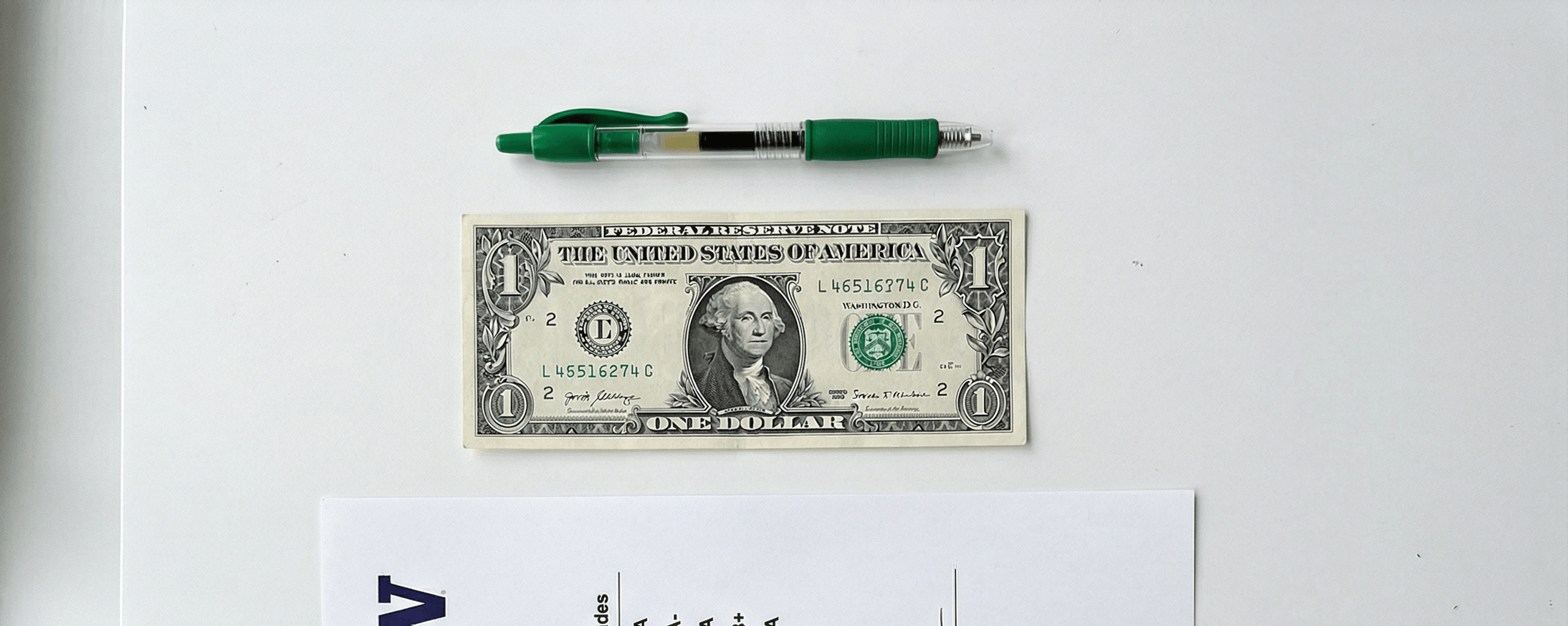
What a Grade 30 Note Looks Like
A Grade 30 note sits at the stronger end of the Very Fine range. PMG describes Very Fine 30 as a lightly circulated note with light soiling. In real collector terms, that means the note still shows honest use, but the wear should no longer dominate the first impression. A 30 should look sharper, cleaner, and more settled than the lower Very Fine steps.
In hand, a 30 often feels like the point where a circulated note starts to present with real confidence. Folds may still be present, but they should not overwhelm the design. The paper should retain better body, the surfaces should look more orderly, and the overall eye appeal should be clearly stronger than a 20 or 25.
A 30 is a lightly circulated Very Fine note with stronger eye appeal, lighter surface issues, and a noticeably sharper look than the lower steps in the grade.
Grading Criteria Breakdown
At Very Fine 30, graders still expect circulation, but the note should look better preserved overall. The key idea is balance: visible handling is allowed, yet the note should still feel attractive, stable, and clearly above the entry and middle points of the Very Fine band.
Notes at this level can still qualify for EPQ when the paper remains fully original. That is not automatic, but originality matters more once a note reaches the upper portion of the Very Fine range.
How a Grade 30 Affects Value
Grade 30 often marks an important pricing step because it tends to look appreciably better than the lower circulated grades while still staying below the premium jump into the higher circulated tiers. For many notes, it is a sweet-spot grade: clearly collectible, visually satisfying, and often more attainable than Choice Very Fine or About Uncirculated examples.
Important caveat: these bars show relative market position, not fixed price levels. A scarce issue with collector demand can still be expensive in Very Fine 30, while a common note may remain affordable. Grade helps shape price, but rarity, demand, originality, and eye appeal still matter just as much.
In many series, a clean 30 gets attention because it feels like a more polished circulated example. It still carries honest use, but it displays well and often satisfies collectors who want visible originality without paying for a higher-grade note.
Grade 30 vs. Nearby Grades: What's the Real Difference?
The practical difference with Grade 30 is that the note now looks lightly circulated rather than simply circulated. A 25 still carries a more modest, mid-grade feel. A 35 pushes further into premium circulated territory. A 30 sits in the middle of those two ideas: clearly used, yet distinctly sharper and cleaner.
| Grade | Name | Difference from 30 | Collector feel |
|---|---|---|---|
| 25 | Very Fine | Still attractive, but with more visible circulation and a slightly less refined overall look. | Mid Very Fine |
| 30 | Very Fine (this grade) | Lightly circulated with light soiling and noticeably stronger eye appeal than the lower Very Fine steps. | Upper Very Fine |
| 35 | Choice Very Fine | A premium circulated note with a more advanced look and even better overall presentation. | High circulated |
| 40 | Extremely Fine | Only lightly circulated with just a few folds, making it feel noticeably closer to About Uncirculated. | Premium collector grade |
The practical takeaway: Very Fine 30 is where many circulated notes begin to look distinctly polished without leaving the collector-friendly mid-grade price range. It is still a used note, but it often offers enough sharpness and eye appeal to feel like a meaningful upgrade.