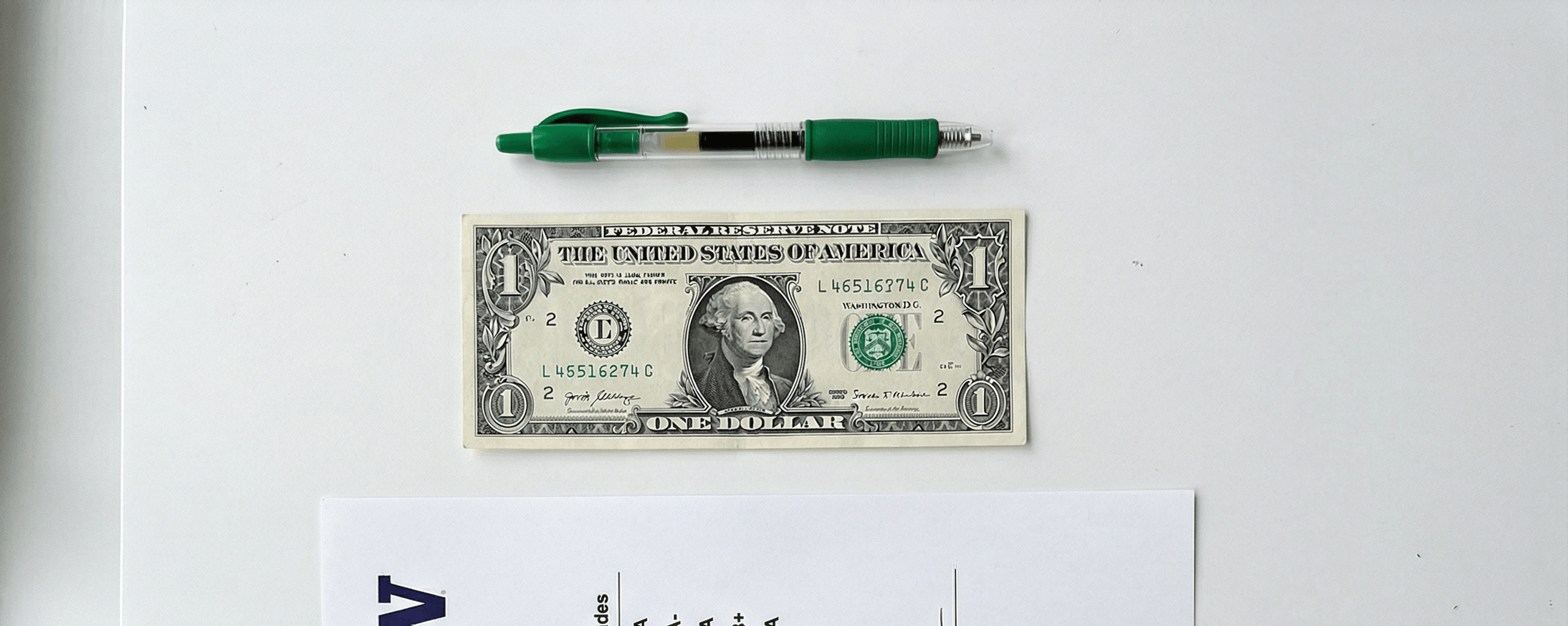
What a Grade 67 Note Looks Like
A Superb Gem Uncirculated 67 is an exceptional note by any standard — but it is also a grade defined by a single, very deliberate line in the sand. At 67, you have crossed out of the Gem Uncirculated zone (63–66) and entered the Superb Gem tier. That crossing matters. The note is fully uncirculated, with no folds, no creases, and no handling wear. The paper retains its original body and crispness. Eye appeal is strong: centering is good to very good, corners are sharp, and ink is bold.
What holds a 67 back from 68 is typically one very minor, observable imperfection. This might be a single faint counting flick from the original bank bundle — the kind left when a teller's thumb briefly contacts the note's surface during a count. It could be a very slight variance in print registration, where the design is fractionally off-center in one direction. Or it might be a nearly invisible corner touch that did not quite make a crease but left the faintest trace of contact. These are not flaws that diminish the note visually — to most eyes, a 67 looks extraordinary. But graders working under magnification can see the single detail that prevents it from going higher.
A 67 is a legitimately elite note. It represents the threshold where "great" becomes "exceptional" on our scale. For most collectors and many series, a 67 is the highest grade they will ever realistically encounter in the market — and it belongs in any serious collection.
Grading Criteria Breakdown
Graders evaluate three primary factors when assigning a grade in the 65–70 range. At Grade 67, here's where a note typically lands on each:
The distinction between a 66 and a 67 is not just about the severity of any imperfection — it is about the overall character of the note. A 67 has crossed a qualitative threshold: every element is at or near its best, and only the smallest single detail prevents it from reaching 68. Graders look at the complete picture, not just a checklist. A note can have slightly less-than-perfect centering and still reach 67 if every other element is immaculate. Context matters at this level.
How a Grade 67 Affects Value
The jump from a 66 to a 67 is more than one point on a scale — it is a change in category. Notes that grade 67 and above are sometimes referred to informally as "Superb" notes, and they attract a different tier of buyer than notes in the 63–66 Gem range. The supply of 67s for most series is meaningfully smaller than the supply of 66s, and the demand from condition-conscious collectors keeps prices well above the Gem zone.
Important caveat: These are relative multiples, not absolute prices. A common series note in 67 might sell for $60–$150. A scarce or key date note in 67 might sell for several thousand dollars. The grade is a multiplier on whatever inherent value the note already has — it does not manufacture value from nothing. Always check the PMG population report for your specific series and date before drawing conclusions about what a 67 is worth.
One important dynamic at the 67 level: for many older or rarer series, a 67 is the highest grade ever assigned. The population report shows nothing at 68, 69, or 70 — because no example has ever been submitted that could reach those heights. In those cases, a 67 is not just a great grade; it is the finest known, and its value reflects that status accordingly.
Grade 67 vs. Nearby Grades: What's the Real Difference?
The boundary between 66 and 67 is the most important threshold in the Gem-to-Superb Gem transition. Here's how to think about the full range around 67:
| Grade | Name | Difference from 67 | Rarity |
|---|---|---|---|
| 65 | Gem Uncirculated | Strong eye appeal but may have a light counting flick, a very minor surface mark, or marginally off-center margins. Clearly a fine note, but solidly in the Gem tier. | Less Common |
| 66 | Gem Uncirculated | One step below the Superb Gem threshold. May show a faint handling impression or centering slightly short of exceptional. The top of the Gem zone. | Uncommon |
| 67 | Superb Gem Unc (this grade) | The entry point into Superb Gem territory. One minor, visible-under-magnification imperfection is the only thing keeping it from 68. | Scarce |
| 68 | Superb Gem Unc | Essentially perfect to the naked eye. Only a microscopic flaw under magnification separates it from 67 — but that step is a significant one in terms of value. | Very Scarce |
| 69–70 | Superb Gem / Perfect | Virtually or completely flawless under any examination. Extraordinarily rare for most series. | Rare – Extremely Rare |
The most practical takeaway: if you are deciding between a 66 and a 67 for your collection, the 67 represents a meaningful step up — not just in price, but in what the note is. You have crossed into Superb Gem territory, and that label carries real weight with serious collectors and future buyers alike. For most series, 67 is the grade where notes begin to feel truly elite.