What a Grade 68 Note Looks Like
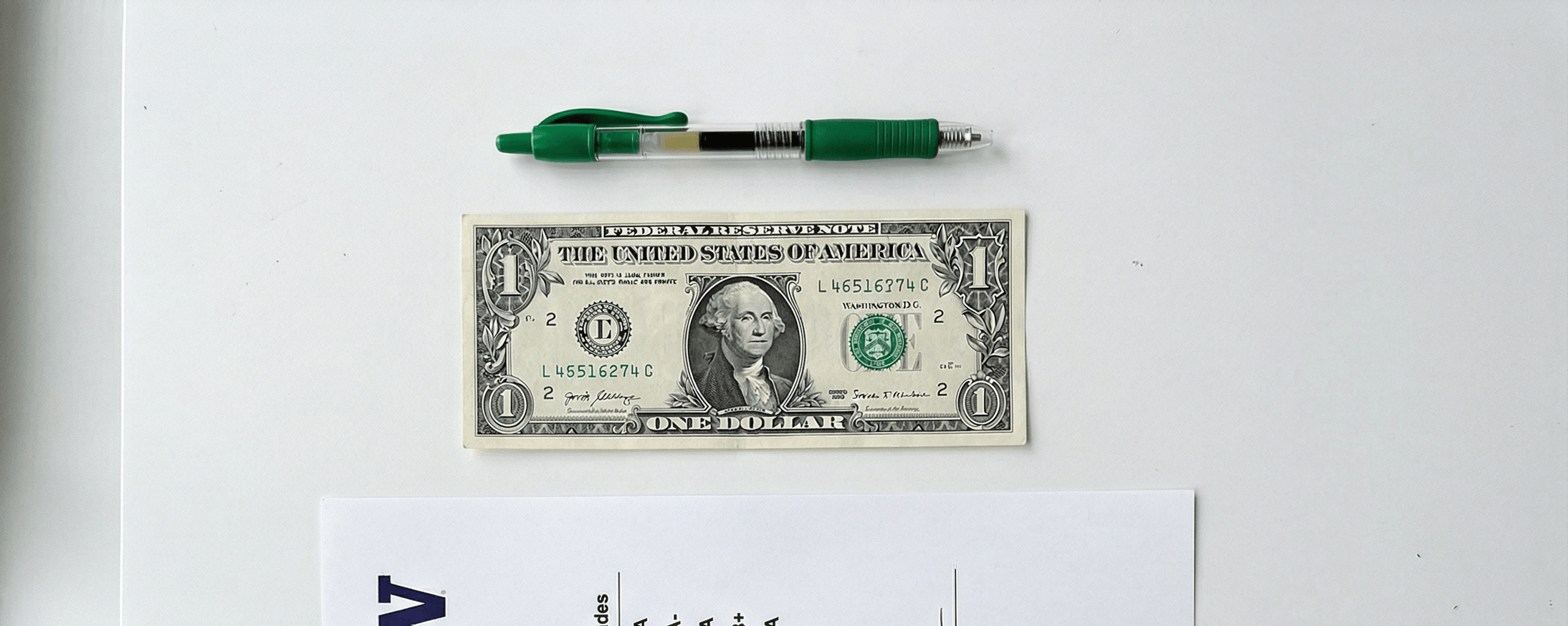
A Superb Gem Uncirculated 68 is, in plain terms, an essentially perfect note with only the tiniest allowable imperfections. When a grader holds a 68, they're looking at a note that has never meaningfully circulated — no folds, no creases, no handling wear. The paper is crisp and full-bodied, corners are sharp and intact, and the overall eye appeal is exceptional.
What separates a 68 from a 69 or 70 is typically something subtle: a nearly invisible counting mark from the original bank bundle, a microscopic corner touch, or the faintest trace of printer handling that prevents it from reaching the top two grades. To an untrained eye, a 68 and a 70 are often indistinguishable — but graders are looking at the note under magnification and in raking light.
A 68 is a "near-perfect" note. If you're holding one, you're in the top tier of the entire grading scale. The difference between 68 and 70 is invisible to most collectors — but it matters significantly to high-end investors and registry set builders.
Grading Criteria Breakdown
Graders evaluate three primary factors when assigning a grade in the 65–70 range. At Grade 68, here's where a note typically lands on each:
Beyond the "big three," graders also look at surface marks (counting flicks, handling impressions), ink quality and brightness, and whether the note has any evidence of being pressed or artificially improved. A genuine 68 has pristine, unaltered surfaces — nothing enhanced, nothing hidden.
How a Grade 68 Affects Value
The jump in value from a 65 to a 68 is not linear — it's exponential. This is because the supply of notes at 68 and above is genuinely scarce. Most notes that survive in uncirculated condition land in the 63–66 range. Getting to 68 requires near-perfect original handling from the day it was printed.
Important caveat: These are relative multiples, not absolute prices. A common series note in 68 may sell for $80. A scarce series note in 68 might sell for $8,000. The grade multiplies whatever inherent value the note already has — it doesn't create value from nothing.
For registry set collectors — collectors who compete to own the highest-graded example of every note in a series — a 68 can be a trophy grade, especially if it's one of only a few known at that level. Always check the PMG population report for your specific series before drawing conclusions about value.
Grade 68 vs. Nearby Grades: What's the Real Difference?
The Superb Gem zone (67–70) is where the differences become almost philosophical. Here's how to think about each grade relative to 68:
| Grade | Name | Difference from 68 | Rarity |
|---|---|---|---|
| 66 | Gem Uncirculated | May have a light counting flick or slightly less-than-perfect centering. Still a beautiful note. | Uncommon |
| 67 | Superb Gem Unc | One very minor imperfection — the faintest surface mark or a hair of misregistration — keeps it from 68. | Scarce |
| 68 | Superb Gem Unc (this grade) | Essentially perfect to the naked eye. One microscopic flaw under magnification. | Very Scarce |
| 69 | Superb Gem Unc | A technical flaw detectable only under magnification or raking light. Virtually flawless. | Rare |
| 70 | Perfect | No detectable flaws under any conditions. Fewer than a handful exist for most series. | Extremely Rare |
The most practical takeaway: if your note grades 68, do not be disappointed it isn't 70. A 68 represents the top 1–2% of surviving examples for most series. For most collectors and investors, 68 is effectively the ceiling of what's realistically attainable.